
Assisted Living
Best when: daily activities have become difficult, but there’s no need for round-the-clock nursing.
A private apartment or room in a residential community, with staff on site to help with bathing, dressing, medication and meals.
Most families start here, not sure whether they’re looking at assisted living, memory care, independent living or help at home. This page sorts that out.
The labels matter less than the daily reality. Someone who needs reminding about medication and a hand in the shower is in a very different position from someone who is safe at home but lonely, or someone who has started leaving the stove on.
The four categories below cover nearly every situation we see in the Bay Area. Read the one that sounds closest, then use the comparison to check you’re in the right place.
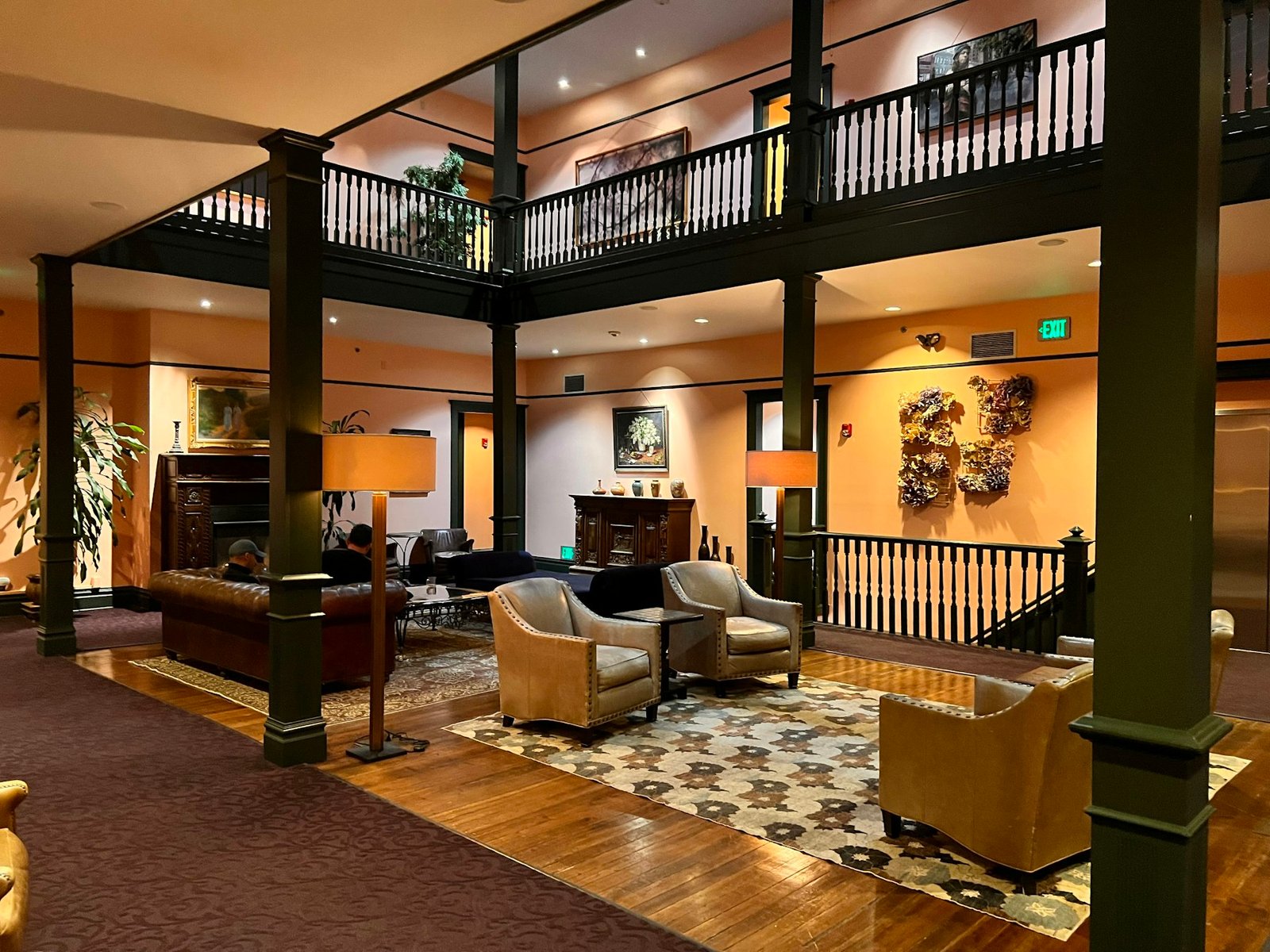
Best when: daily activities have become difficult, but there’s no need for round-the-clock nursing.
A private apartment or room in a residential community, with staff on site to help with bathing, dressing, medication and meals.
Best when: dementia is affecting safety, orientation or behavior.
A secured community with a higher staff ratio, dementia-trained caregivers, and an environment designed to reduce confusion and wandering risk.
Best when: the house is the problem, not the person.
Community living with meals, activities and maintenance handled, for older adults who need little or no personal care.
Best when: staying home is the priority and the need is manageable.
A caregiver comes to the house for companionship, personal care, or to give a family caregiver a break.
| Assisted Living | Memory Care | Independent Living | In-Home Care | |
|---|---|---|---|---|
| Where they live | Apartment or room in a community | Secured community or wing | Apartment, cottage or villa | Their own home |
| Help with daily activities | Yes, as needed | Yes, extensive | Little or none | Yes, during scheduled hours |
| Staff on site overnight | Yes | Yes, higher ratio | Usually front desk only | Only if overnight care is arranged |
| Secured for wandering | Typically no | Yes | No | No |
| Meals included | Typically all meals | Typically all meals | Often a meal plan | Caregiver can prepare meals |
| Social programming | Yes | Yes, dementia-adapted | Yes, extensive | Limited to the home |
| Typical billing | Base rent plus care level | Usually all-inclusive or tiered | Mostly flat monthly rent | Hourly |
| Common reason families choose it | Daily tasks became unsafe | Dementia progressed | Isolation and home upkeep | Wanting to stay home |
This table describes how these care types generally work. Individual communities and agencies vary, so always confirm specifics with the provider.
Many assisted living communities support residents with mild cognitive change, and a move to memory care often comes later. The practical dividing lines tend to be safety and orientation: whether someone can find their way back, whether they can be left alone, and whether exit-seeking has become a risk. Some communities offer both on one campus, which can make a later transition much easier. This is a question to work through with a physician and with the communities themselves.
It depends almost entirely on hours. A few hours of help a week is usually far cheaper than a community. But because in-home care is billed hourly, the math changes as needs grow, and around-the-clock coverage at home is frequently more expensive than assisted living, while still leaving the house, utilities and upkeep to pay for. Families often start at home and re-run the numbers when hours climb.
Often, yes. Many campuses offer several levels of care and residents move between them as needs change. If that matters to you, ask directly: does this community offer assisted living and memory care on site, what triggers a move, is there priority access for existing residents, and how does the cost change? Ask before move-in, not after.
Extremely common, and worth taking seriously rather than steamrolling. Resistance is often about losing independence and being managed, not about the specific building. Families frequently make progress by starting small, with a few hours of in-home help, or touring somewhere with no decision attached. Our guide on recognizing when more support is needed covers how these conversations tend to go.